The day I became Yoda

“When running from pain, louder it becomes.”
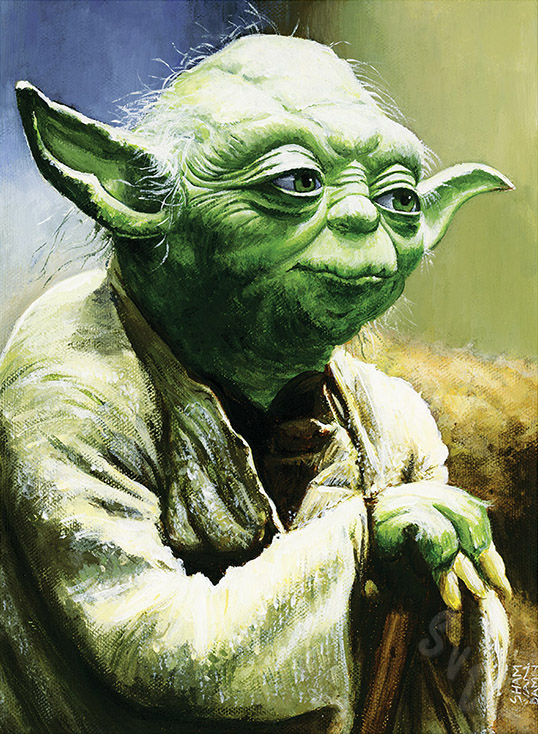
(Yoda… or someone like him)

Before 2015, Christmas in our family looked much like it did for many others.

We spent days wandering through shopping malls and stores, trying to figure out what to buy for the people closest to our hearts. We don’t have extended family in Canada, so the list was short, but the effort was still there. Shopping for gifts, preparing a traditional dinner, visiting friends, snapping photos on Christmas morning—and then, suddenly, Christmas was over.

It worked while the kids still lived at home.

Once we became empty nesters, Blazena and I started questioning the routine.
“Why are we buying presents for our adult children?” I asked.

More importantly, we realized we had very little time to truly enjoy each other’s company. We were always shopping, cooking, or rushing somewhere.

So we decided to change things.

Instead of staying home, we would leave for a warm place before Christmas and return after. The money we would normally spend on gifts, food, and the general holiday buzz would go toward a family vacation at an all-inclusive resort.

Everyone liked the idea.

The following year, I booked a trip to the Mexican Riviera for the whole family. It was great.

That became our tradition. Instead of staying home, we travel somewhere warm, eat well, relax, take excursions, and make memories.

One Christmas, we stayed at a beautiful five-star resort in Puerto Vallarta. The rooms were modern, the food was excellent, and the activities were plentiful. Everyone did their own thing during the day, and we came together for breakfasts, dinners, and excursions.

Patrick went sailing and fishing. Luke went snorkelling. Blazena and I usually sat by the pool, enjoying the warmth and the view.

One particularly beautiful morning, shortly after 4 a.m., I walked down to the beach. I leaned against a palm tree and began my meditation.

I had started meditating about seven years earlier, and by then it had become part of my daily routine. I could meditate anywhere, but doing it among palm trees, facing the ocean, felt like a gift.

I noticed a security guard making his rounds. He had seen me there the past few mornings. He nodded and continued on.

About thirty minutes into my meditation, I heard a woman’s voice in distress.

The hotel’s architecture caused sound to echo, so at first it was hard to place. She was urgently calling someone’s name. I didn’t pay much attention until I realized the voice was getting closer.

Moments later, a young woman stood in front of me. She was clearly upset and asked if I had seen her boyfriend.

I told her calmly that I had not.

Seeing how distressed she was, I asked if she wanted to sit down and talk. She nodded and sat beside me on the warm sand. Her voice was raspy, full of emotion, as she told me what had happened.

She and her boyfriend had gone to a party. They argued. He left her there. For the past two hours, she had been searching nearby hotels. He wasn’t in their room. She was afraid he had left her.

As she began to calm down, I asked gently,
“What else is happening in your life?”

She looked at me, puzzled, as if asking why I would even bring that up. After a pause, she said quietly,
“My dad died two weeks ago.”

Tears poured down her face.

I asked her to tell me about her father. She spoke about their difficult relationship and how she had never tried to make things right. I asked if she had allowed herself time to grieve.

She said no.

She told me she had been running from it. Even this trip to Mexico, with a very new boyfriend, was an attempt to escape the grief she refused to face.

As the sun began to rise over the horizon, her tears slowed and then stopped. I suggested she go back to her room and get some rest.

“I’m sure your boyfriend will show up once you’ve slept,” I said.

She stood up calmer than before, her energy noticeably different. She thanked me, hugged me, and as she turned to leave, she looked back and asked in a serious tone:

“Tell me… are you my personal Yoda?”

I smiled and said, “Yes.”

That was the day I became Yoda.

Epilogue

A few hours later, over breakfast, I told the story to my family and a couple of friends. Everyone loved it. Since that morning, within our family and close circle of friends, I’ve been known as Yoda.

I don’t mind. Yoda was a fine creature. Being compared to him feels oddly comforting.

I’ll always remember that young woman whose name I never learned.

By Tibor Yoda

Assisted by AI

Finding Love

It began like any other ordinary day, January 8th, just after two in the afternoon. Work had been uneventful, the kind of day that leaves no mark. When I came home, Laska was already waiting by the door, vibrating with anticipation for her daily forest walk.

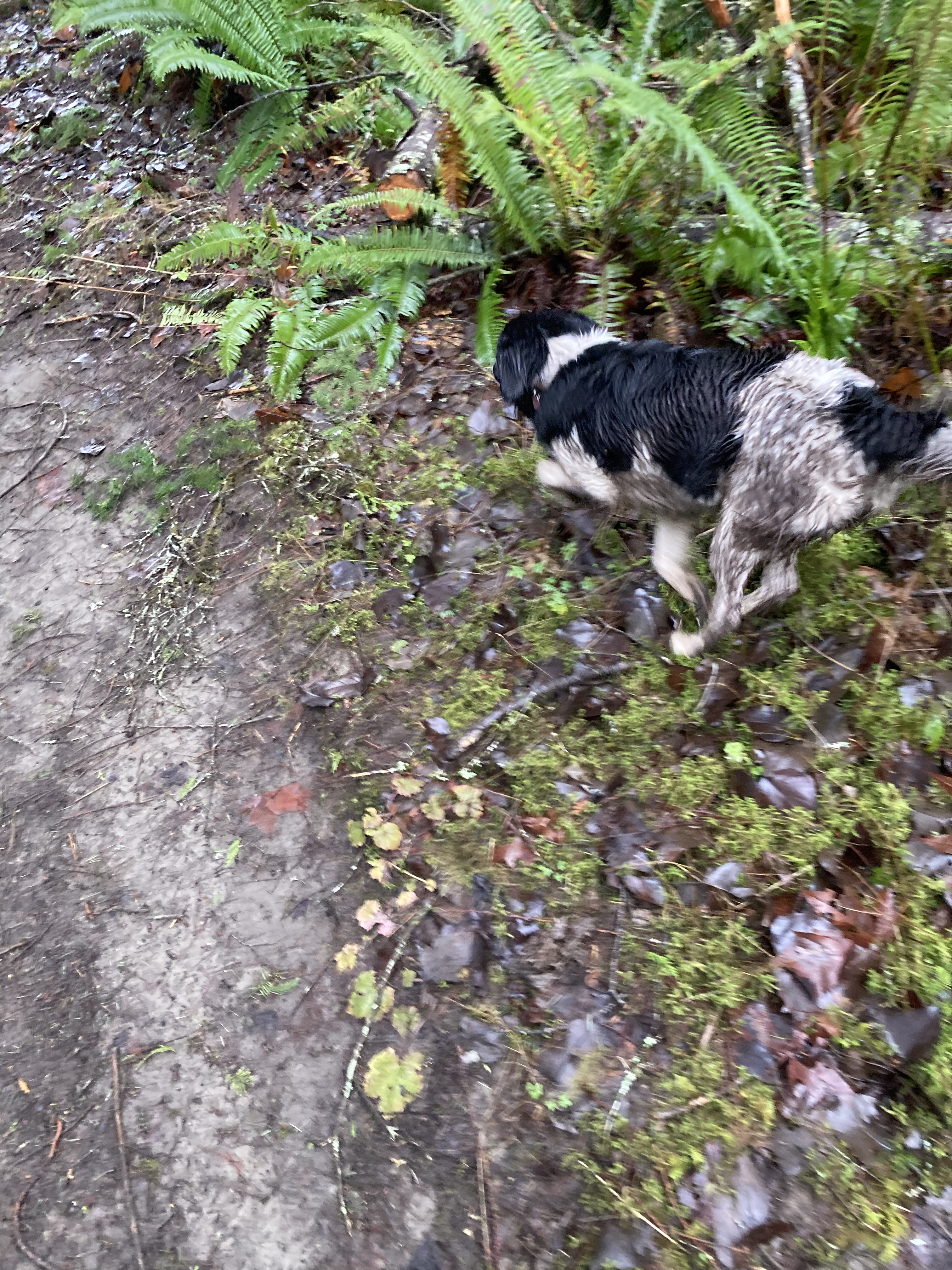
We walked those trails five or six times a week, covering five or six kilometres along a scenic path that runs beside the river. Rain or shine, it was our ritual. We walked quietly, side by side. Sometimes she would break away from the trail to chase birds – her favourite distraction, but she always came back.
Always.

Until that day.

We reached the end of the trail, turned around, and started back. Somewhere along the way, Laska darted off into the forest after a small bird, just as she had countless times before. I kept walking, unbothered. After a minute or two, I noticed she hadn’t returned.

I stopped and whistled. Nothing.

Her recall whistle – sharp and familiar –  had never failed. I tried again. Still nothing. I retraced my steps to where I had last seen her. I called her name. I whistled. I yelled. The forest answered with silence.

Minutes stretched into an hour. Then longer. Panic crept in, slow but unmistakable. This had never happened before. Laska was only seven months old – smart, affectionate, disciplined in most things. But when she chased birds, the world disappeared for her. Whistles, shouts, commands, none of it mattered.

And now, neither did I.

It was as if the earth had swallowed her.

I searched until the forest grew dark, walking the trails, pushing into brush, calling until my voice was raw. Eventually, there was nothing left to do. The area covered tens of thousands of acres. I was one man, alone, with fading light and no plan.

I went home.

That night, I reported her missing through the tracking service linked to the QR tag on her collar. If scanned, it would reveal her location and notify nearby veterinarians and shelters. It was all I could do.

Sleep didn’t come.

I don’t know whether it was a dream or imagination, but I saw her curled beneath exposed tree roots near the riverbank. When dawn came, I went straight back. My wife searched too. We found nothing.

Cold, wet, exhausted, and defeated, we returned home and made a hard decision; we needed help.

We reached out to neighbours, friends, and social media. The response was immediate and humbling. Search groups formed. People arrived with dogs. Strangers cared.

A family friend, Andrew, connected us with Karen, who specializes in locating lost pets using a drone equipped with an infrared camera technology capable of detecting even small heat signatures. Hope took a new shape.

I spoke with Karen from Halo’s Pet Rescue and arranged for her to come by, though she couldn’t arrive until Wednesday afternoon. That meant another night of rain, another night of cold, and another sleepless night for us.

By Day Three, Laska had been missing for forty-two hours.

Karen advised me to place food and a piece of clothing with my scent near the spot where we had parked because lost animals often return there. I did. One of the food bowls was eaten. Hope flared, then faltered. It could have been anything.

After heavy rain overnight, I checked the trail for tracks. Surprisingly, there were none.

That morning, I met two women walking their dogs. When I told them about Laska, they smiled gently and said, “We’re here to find her today.”

That moment stays with me.

More friends arrived, my son Luke and Karima among them. When my wife took over watching the parking area, I headed back down the trail toward the place I had last seen Laska.

Another searcher mentioned hearing a faint bark earlier, though he thought it belonged to another group. I left the trail and pushed into the forest, whistling and calling her name.

After an hour, I heard it – a faint bark. Directionless. Muffled.

Then again.

This time, I knew. It was her.

I followed instinct rather than logic, letting something older take over. Thirty minutes later, the bark came again, weak but closer. My heart jumped.

“I’m coming, love,” I shouted, my voice barely holding together.

The bark came again. Very close. Twenty feet, maybe less.

I stopped.

If she was that close, why couldn’t I see her?

Then it hit me.

She wasn’t above ground.

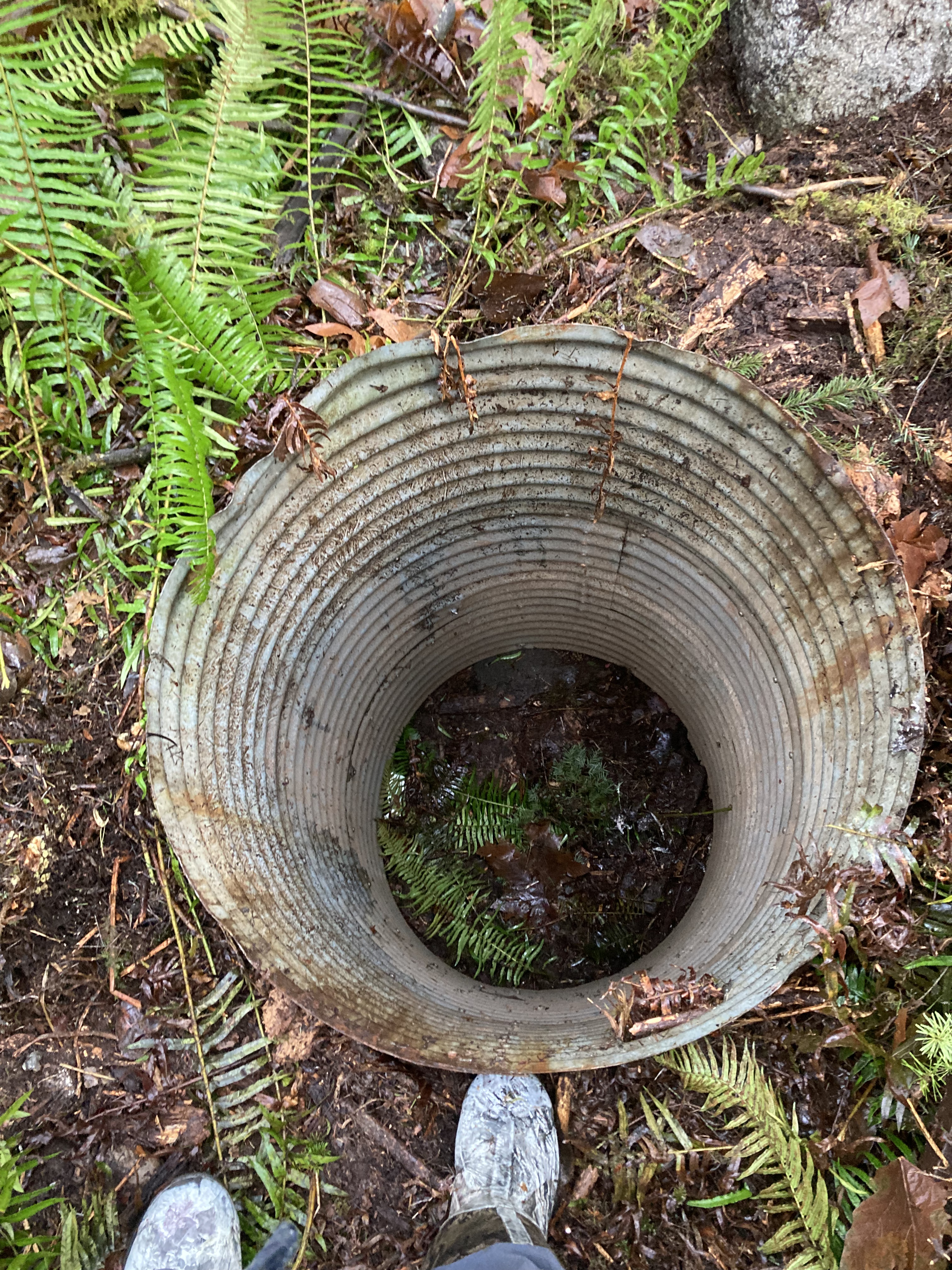
I scanned the area carefully and noticed a dense patch of ferns. Beneath them, a small opening. Something moved. I kicked aside the brush and uncovered a narrow, steel-reinforced well seven feet deep.

At the bottom was my puppy.

Cold. Filthy. Exhausted.

And alive.

Every sound she made said the same thing: Please get me out of here.

My first instinct was to jump in after her. Then reason intervened. I called my wife and asked her to bring a rope. As I hung up, Laska leapt four feet straight up.

“Can you jump that high?” I asked, stunned.

I dropped to my knees, leaned into the shaft, and stretched my arm as far as I could.
“Jump again, Laska.”

She did.

As if we had practiced it a hundred times, I caught her midair by the collar and pulled her free.

Weak and shaking, she still found the strength to celebrate tail wagging, body trembling with joy.

We did it.

Epilogue

After a quick rinse in the river and a bite of food from my pocket, we headed home. She received a proper bath, endless hands petting her, and the quiet relief of warmth.

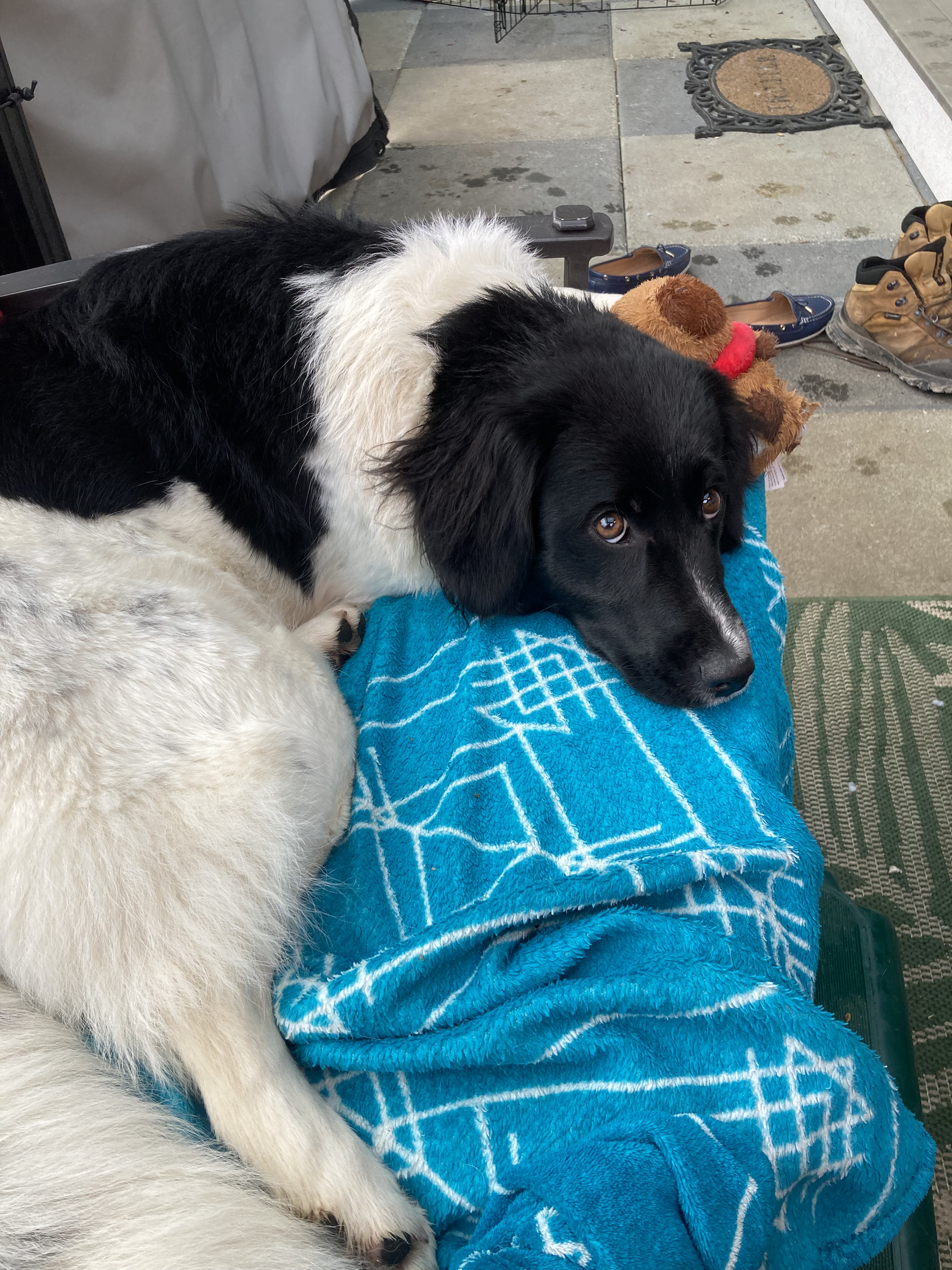
We gave her a toy we had bought the day after she went missing a small stuffed hamster with a red heart around its neck. A homecoming gift.

In true puppy fashion, she deconstructed it in less than two hours.

If you’re wondering about the title, Finding Love, there’s a reason.

In Slovak, Láska means love.

And that, after all, is exactly what we found.

By Tibor Bogdan 

assisted by AI

Well fed, bathed and finally safe
A moment after she was freed
7′ deep dry well, Laska was trapped in for 2 days
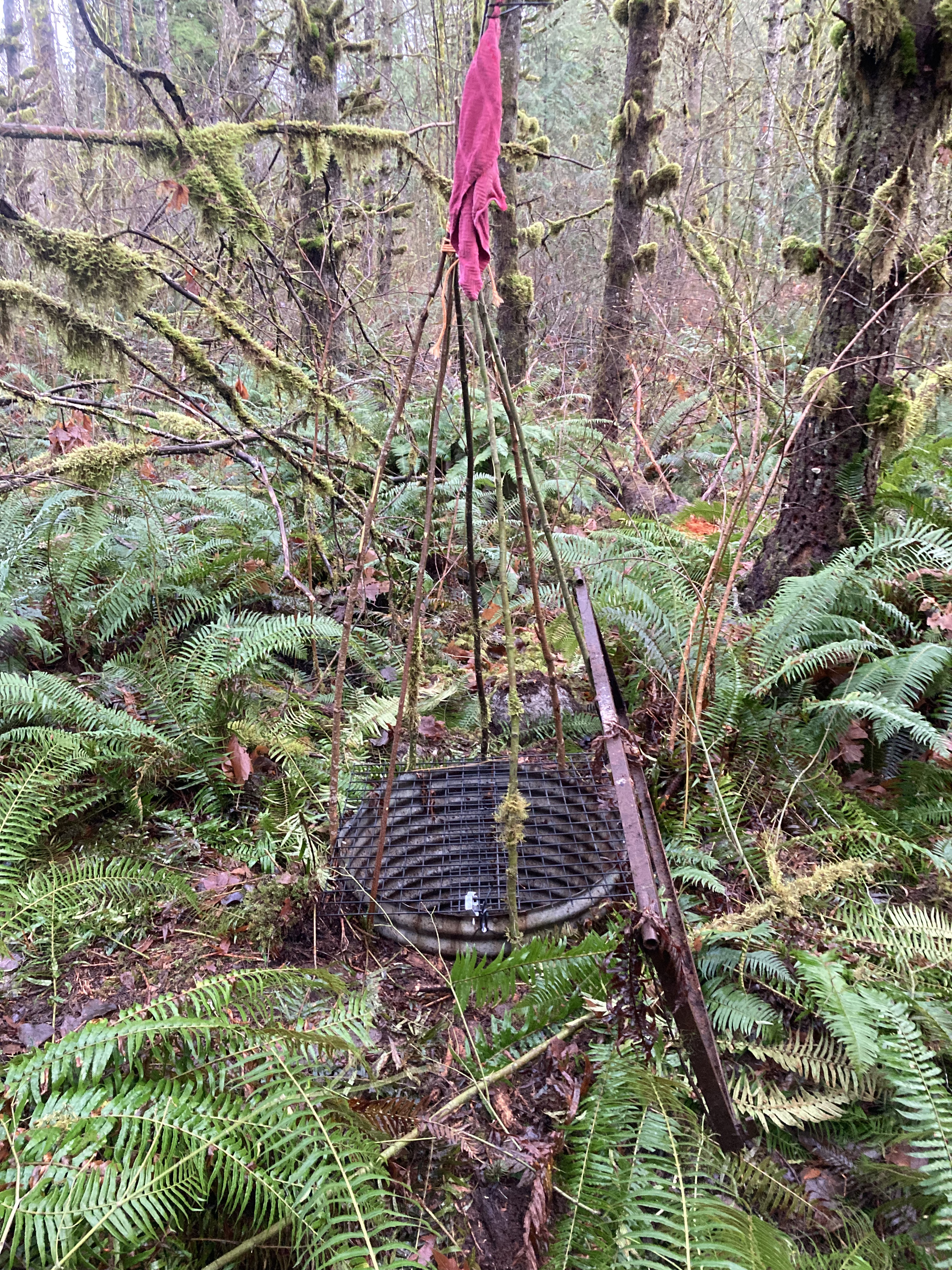
The next day, I went back to put a grid on it and mark it.

Life is Like a River


Have you ever been white-water rafting?
When you let the current carry you downstream, it’s exhilarating. The rapids, the boulders, the speed, the anticipation of what’s coming next, that’s what makes it unforgettable. You’re alert, alive, and fully present.

That’s how I see life: a river that wants to take us on a wild ride.

It’s fast. It’s unpredictable. At times, it’s dangerous. The scenery is always changing, and you never quite know what’s around the next bend, or whether you’ll make it through the next set of Class IV rapids. And yet, knowing all this, most of us still put our canoe in the water and point it downstream. Because deep down, we know that’s where the adventure is.

The stronger the current, the more alive we feel. Yes, there are moments that scare us. Yes, there are risks. But we learn to read the water, steer around the worst obstacles, and enjoy the ride for what it is.

So what’s the alternative?

Paddling upstream.

Think about it. How much effort does it take just to stay in the same place? Forget new scenery. Forget momentum. Forget the thrill of moving forward. Paddling upstream is exhausting, and yet people do it every day.

I know people who are afraid to turn their boats downstream. They pour their energy into resisting change instead of moving ahead. Often, it’s because they were raised by upstream paddlers, surrounded by others who believed this was the safe way to live.

Exhausted, but secure.
Stable, but unhappy.
Clinging to jobs they dislike, routines that drain them, and scenery that never changes.

In their minds, change is the enemy. They tell themselves, “Just a few more years. Just a little more effort. Then I’ll be happy.”

Once in a while, they see someone shoot past them downstream, energized, smiling, fully alive. They feel a twinge of jealousy. But they’re too tired to even consider turning around. Facing the current now feels far more dangerous than continuing to struggle upstream.

So here’s my message to you, my upstream-paddling friends:

Turn the boat around.
Stop fighting the river.
Let change carry you forward.

The river isn’t your enemy. It’s been trying to take you somewhere all along.

By Tibor

Knowing vs Understanding

Do you take cream with your tea?

Most people know that many tea drinkers add milk because it tastes better, or because their parents did it that way. That’s knowledge.

But when you learn why the habit started, you move from knowing to understanding.

When the British began trading with China, they imported fine porcelain teacups, which were beautiful but fragile. When hot tea was poured directly into the cups, the porcelain often cracked. Someone eventually discovered that adding cold milk first, then the tea, reduced the thermal shock and prevented damage.

So the tradition wasn’t about taste, class, or refinement. It was practical. Economic. Protective.

That’s understanding.

Today, we live in an age where knowledge is everywhere. Information is cheap, abundant, and instantly accessible. Because of that, knowledge alone has lost much of its value.

So why do we still need experts?

Because experts don’t just know things, they understand how things connect.

Real estate is no different.

You may know the steps involved in selling your home and buying the next one. You can look them up online in minutes. But a real estate professional understands how each step affects the next, how timing influences leverage, how preparation impacts buyer psychology, how pricing shapes demand, and how one small decision early on can either protect or cost you tens of thousands of dollars later.

Selling a home requires knowledge.
Guiding a client through the process requires understanding.

Understanding means anticipating problems before they appear. It means positioning a property for the right buyer, not just any buyer. It means knowing not only how to sell a home, but who will buy it, and why.

That difference is often invisible at the beginning of a transaction.
But by the end, it’s unmistakable.

And just like milk in tea, once you understand the reason behind the method, you realize it was never about preference at all; it was about protecting something valuable.

By Tibor

Challenges Are Good For Us

Many of us are facing challenges and adversity these days. Believe me when I say, no one is immune to it.

Some time ago, I learned that one of the keys to happiness is realizing that perfection does not exist. We all strive for the perfect business, the perfect body, the perfect relationship. Yet the harder we chase perfection, and the closer we think we get, the clearer it becomes that it’s unattainable.

And that’s the point.

We don’t grow through perfection. We grow through challenges and imperfections. Struggle is not a detour from life; it is life doing its work on us.

So what’s my message? Whatever you are going through right now, embrace it. See it for what it is: an opportunity to grow. Look for new ways forward, discover strength you didn’t know you had, and most importantly, change the way you look at the situation itself.

One of my favourite Bible stories is David and Goliath. David would never have become king if he had not first faced an overwhelming challenge. Goliath wasn’t an obstacle in the way of David’s future; he was the doorway to it.

Challenges don’t break us. Properly faced, they shape us into who we’re meant to become.

By Tibor